Explore
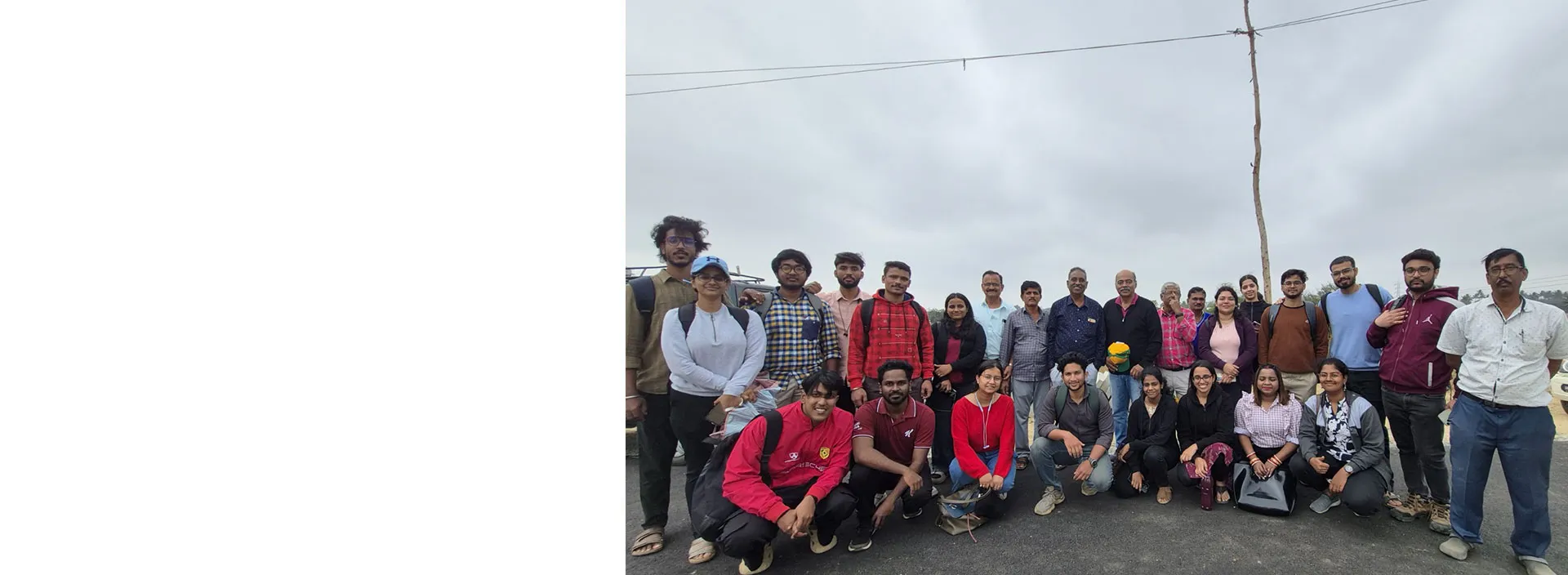
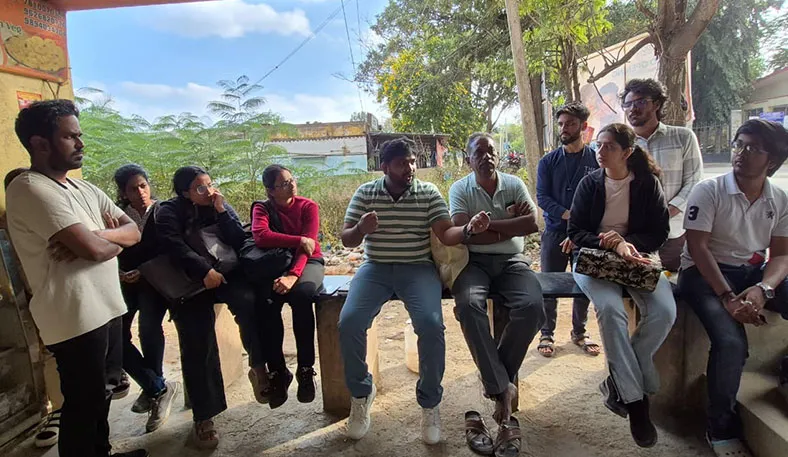
CARE – Community Action through Responsible Engagement is XIME’s structured community engagement initiative that integrates management education with social responsibility and purposeful action. Beginning with pre-engagement activities in November and continuing through February, students work in teams with NGOs, CSR organisations, foundations, self-help groups, social enterprises, and other community partners to understand genuine community needs and identify problems that require meaningful intervention.
Through CARE, students move from understanding a community challenge to designing and implementing practical solutions, assessing their impact, and enabling continuity through knowledge and resource handover. The experience develops managerial capabilities such as problem-solving, teamwork, project management, design thinking, empathy, and responsible decision-making—reinforcing XIME’s commitment to developing socially conscious and purpose-driven future leaders.
"Mere imparting of knowledge is not of much value.. the key lies in the right skills and the right values."
NGO Collaborations
A rich, cross-sector network enables relevant project opportunities.
Student Participation
Every PGDM student completes CARE-reliable, structured experiential community learning.
of Experience
A proven legacy of "Learn by Doing" in inclusive management education.
Co-design projects that correlate directly with the organizational goals.
Understand diverse communities, identify genuine needs, and develop sensitivity towards social challenges.
Collaborate in teams, engage with community partners, and communicate effectively with diverse stakeholders.
Take ownership, manage community projects, and make responsible decisions in real-world situations.
Apply management concepts to analyse problems, design practical interventions, and assess the impact created.
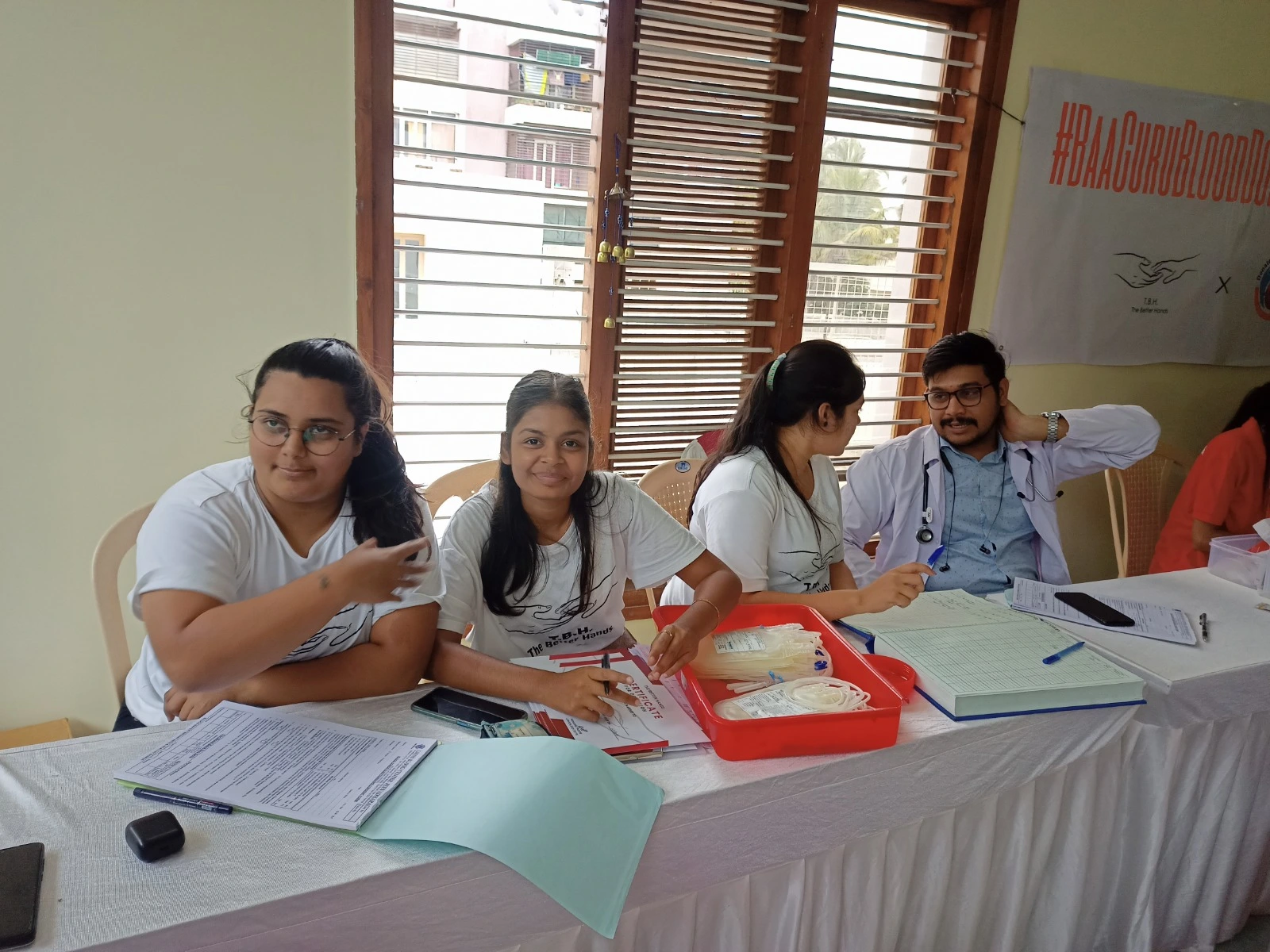
A structured journey from understanding community needs to creating sustainable impact
Students engage with community partners through interactions, surveys and need assessment to understand the context, identify genuine challenges and define a validated problem statement.
Teams design and implement practical interventions that directly address the identified community need, applying managerial knowledge to real-world challenges.
Students assess the outcomes of their intervention, compare baseline and endline evidence where applicable, and reflect on their learning and managerial experience.
Teams transfer relevant knowledge, tools and resources to community partners, helping them sustain or build on the initiative beyond the CARE project.